

Superfoods Guide 2026: Top 20 Nutrient-Dense Foods for Health, Energy, and Longevity
You see the word everywhere. Superfoods. Acai bowls. Kale chips. Goji berries. Chia pudding. They cost three times as much as regular food. Are they actually better for you? Or is this just clever marketing to sell expensive ingredients?
I have spent over a decade researching nutrition. I have read hundreds of studies on antioxidants, polyphenols, and nutrient density. The truth about superfoods is simpler than marketers want you to believe. The most nutrient-dense foods are not exotic or expensive. They are probably already in your grocery store.
This is your complete guide to Superfoods Guide 2026. Inside, you will discover the top 20 nutrient-dense foods that science actually supports, how to incorporate them into your daily diet, and which expensive superfoods are not worth your money. No hype. No overpriced powders. Just evidence-based nutrition from someone who values both health and your wallet.
What You Will Learn Inside
- 1. What Makes a Food a Superfood
- 2. Top 20 Superfoods Ranked by Nutrient Density
- 3. How to Incorporate Superfoods Daily
- 4. Superfoods to Avoid (Not Worth the Money)
- 5. Superfoods on a Budget
- 6. The Science Behind Antioxidants and Longevity
- 7. Frequently Asked Questions
- 8. Final Thoughts and Your Next Move
1. What Makes a Food a Superfood
Superfood is not a scientific term. It is a marketing term. But some foods are genuinely more nutrient-dense than others. Understanding what makes a food "super" helps you make better choices.
Nutrient Density Explained
Nutrient density means the amount of nutrients per calorie. A food is nutrient-dense if it provides many vitamins, minerals, antioxidants, and other beneficial compounds relative to its calorie content.
Spinach is nutrient-dense. It has very few calories but lots of vitamin K, vitamin A, folate, and iron. Soda is nutrient-poor. It has many calories and zero nutrients.
Nutrient-dense foods are the foundation of a healthy diet. They provide what your body needs without excess calories. You can eat more of them without gaining weight.
Key Compounds in Superfoods
Antioxidants protect your cells from damage. They neutralize free radicals, which are unstable molecules that damage cells, proteins, and DNA. Berries, dark chocolate, and pecans are rich in antioxidants.
Polyphenols are plant compounds with antioxidant and anti-inflammatory properties. They are linked to reduced risk of heart disease, diabetes, and certain cancers. Green tea, red wine, and olive oil are rich in polyphenols.
Omega-3 fatty acids reduce inflammation and support brain health. Fatty fish, walnuts, and flaxseeds are excellent sources. Most Americans do not get enough omega-3s.
Fiber feeds beneficial gut bacteria, stabilizes blood sugar, and promotes satiety. Beans, berries, and whole grains are fiber-rich. Only 5 percent of Americans eat enough fiber.
2. Top 20 Superfoods Ranked by Nutrient Density
These 20 foods consistently rank highest in scientific studies of nutrient density. They are affordable, accessible, and delicious.
Leafy Greens
1. Kale – The king of leafy greens. One cup provides 600 percent of your daily vitamin K, 200 percent of vitamin A, and 130 percent of vitamin C. It also contains lutein and zeaxanthin for eye health. Eat it raw in salads, sautéed, or blended into smoothies.
2. Spinach – More versatile than kale. One cup provides 400 percent of vitamin K, 100 percent of vitamin A, and 50 percent of folate. Spinach wilts into anything. Add it to eggs, pasta, soup, and smoothies.
3. Swiss Chard – Underrated but excellent. Rich in vitamin K, vitamin A, and magnesium. The colorful stems contain betalains, which have antioxidant properties. Sauté with garlic and olive oil.
4. Arugula – Peppery and delicious. Rich in nitrates, which may improve athletic performance. Also contains glucosinolates, which have cancer-fighting properties. Eat raw in salads or on pizza.
Berries
5. Blueberries – The most studied berry. Rich in anthocyanins, which improve brain function and reduce oxidative stress. Frozen blueberries are just as nutritious as fresh and much cheaper. Add to oatmeal, yogurt, or smoothies.
6. Strawberries – High in vitamin C and ellagic acid. One cup provides more vitamin C than an orange. Strawberries also contain fisetin, which may support brain health. Eat fresh or frozen.
7. Raspberries – Fiber powerhouse. One cup provides 8 grams of fiber, which is 30 percent of your daily needs. Also rich in ellagitannins, which may have anti-cancer properties. Delicious fresh or frozen.
8. Blackberries – Similar to raspberries. High in fiber, vitamin C, and vitamin K. Also contain anthocyanins that support eye health. Eat fresh or frozen.
Nuts and Seeds
9. Walnuts – The best nut for omega-3s. One ounce provides 2.5 grams of alpha-linolenic acid. Walnuts also contain ellagitannins that support gut health. Eat a handful daily.
10. Almonds – High in vitamin E and magnesium. Vitamin E is an antioxidant that protects cell membranes. Magnesium supports sleep, blood sugar, and blood pressure. Eat raw, not roasted in oil.
11. Chia Seeds – Fiber and omega-3 powerhouse. Two tablespoons provide 10 grams of fiber and 4 grams of omega-3s. Chia seeds absorb liquid and form a gel, which promotes satiety. Add to oatmeal, yogurt, or smoothies.
12. Flaxseeds – Similar to chia. Rich in lignans, which have anti-cancer properties. Flaxseeds must be ground for nutrient absorption. Whole seeds pass through undigested. Add ground flax to oatmeal, yogurt, or baked goods.
Fatty Fish
13. Salmon – The best source of omega-3s EPA and DHA. Wild salmon has more omega-3s than farmed. Farmed salmon has more fat overall. Both are healthy. Eat 2 to 3 servings weekly.
14. Sardines – Underrated and affordable. Sardines are rich in omega-3s, vitamin D, and calcium (from the bones). They are also low in mercury. Eat on crackers, in salads, or straight from the can.
15. Mackerel – Another affordable fatty fish. Rich in omega-3s, vitamin B12, and selenium. Smoked mackerel is delicious. Canned mackerel is inexpensive. Eat 2 to 3 servings weekly.
Other Vegetables
16. Broccoli – Rich in sulforaphane, which has anti-cancer properties. Also high in vitamin C, vitamin K, and fiber. Steaming preserves more nutrients than boiling. Roasting brings out flavor.
17. Brussels Sprouts – Similar to broccoli. Rich in glucosinolates and vitamin C. Roast with olive oil and salt until crispy. Delicious and nutritious.
18. Garlic – Contains allicin, which has antimicrobial and anti-inflammatory properties. Regular consumption is linked to reduced blood pressure and cholesterol. Use fresh garlic. Dried garlic powder has fewer benefits.
Legumes and Whole Grains
19. Lentils – Fiber and protein powerhouse. One cup provides 15 grams of fiber and 18 grams of protein. Also rich in folate and iron. Cook from dried for the best value. Add to soups, salads, or eat as a side dish.
20. Oats – Rich in beta-glucan, a type of fiber that lowers cholesterol. Also contain avenanthramides, which have antioxidant and anti-inflammatory properties. Steel-cut oats are least processed. Rolled oats are convenient. Instant oats are fine but often have added sugar.
3. How to Incorporate Superfoods Daily
You do not need exotic ingredients or expensive powders. You need simple strategies to eat more nutrient-dense foods.
The Smoothie Strategy
Smoothies are the easiest way to pack in superfoods. Use this formula for a nutrient-dense smoothie: 2 cups leafy greens (spinach or kale), 1 cup frozen berries, 1 tablespoon chia or flax seeds, 1 scoop protein powder (optional), and liquid to desired consistency.
This smoothie provides fiber, antioxidants, omega-3s, and protein. It takes 3 minutes to make. Drink it for breakfast or after workouts.
The Bowl Strategy
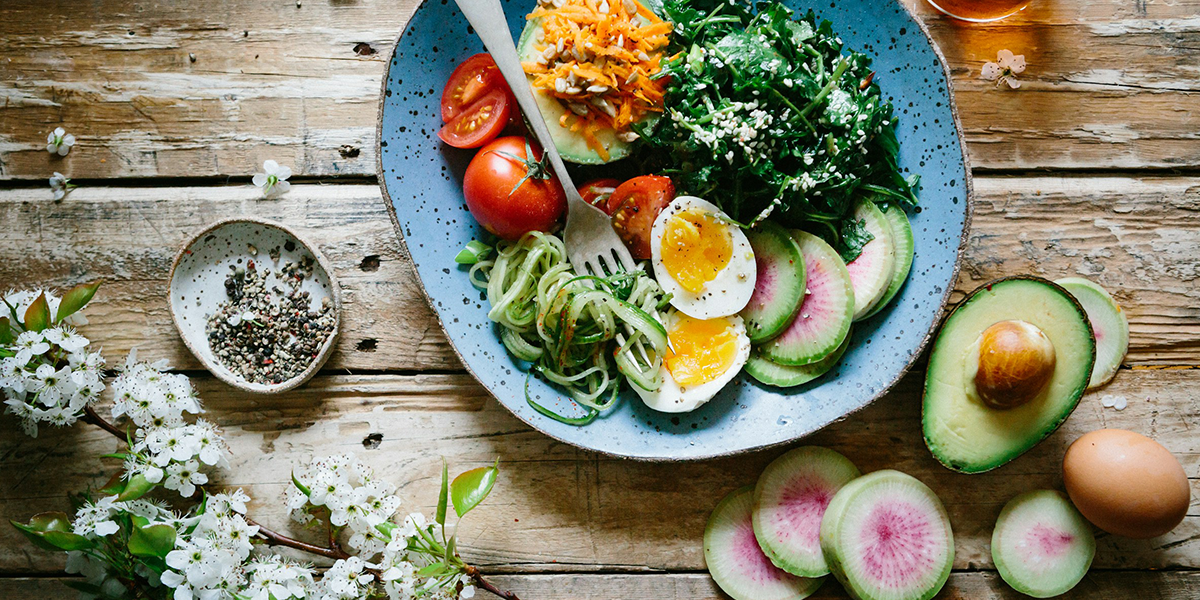
Buddha bowls are meals in a bowl. Start with a base of leafy greens or cooked grains. Add a protein (beans, lentils, fish, chicken). Add colorful vegetables. Add a healthy fat (avocado, nuts, seeds). Top with a simple dressing.
Bowl meals are endlessly customizable. Use whatever vegetables are in season. Batch cook components on Sunday. Assemble meals in minutes.
The Swapping Strategy
Small swaps add up. Swap white rice for quinoa or brown rice. Swap potato chips for nuts. Swap sugary cereal for oatmeal. Swap soda for sparkling water with berries. Swap processed snacks for fruit.
You do not need to change everything at once. Change one thing per week. After a year, your entire diet will have transformed.
4. Superfoods to Avoid (Not Worth the Money)
Not all "superfoods" are worth the premium price. These foods are heavily marketed but not necessarily more nutritious than cheaper alternatives.
Goji Berries
Goji berries are expensive. They cost $15 to $20 per pound. Regular blueberries cost $3 to $5 per pound. The nutritional difference is minimal. Both are rich in antioxidants. Buy blueberries instead.
The one exception: goji berries contain zeaxanthin, which supports eye health. If you have eye concerns, consider them. Otherwise, save your money.
Acai Bowls
Acai berries are healthy. But acai bowls are not. They are blended with sweetened fruit juice, bananas, and granola. A typical acai bowl has 500 to 800 calories and 40 to 80 grams of sugar.
Make your own smoothie bowl instead. Use frozen berries, unsweetened almond milk, and minimal sweetener. Top with nuts and seeds, not sugary granola.
Coconut Oil
Coconut oil was heavily marketed as a superfood. The evidence is weak. Coconut oil is 90 percent saturated fat. It raises LDL cholesterol like butter. Olive oil and avocado oil are healthier choices.
Use coconut oil for cooking at high temperatures. Do not use it as a health supplement.
Matcha Powder
Matcha is powdered green tea. It has more antioxidants than brewed green tea. It also costs 10 times more. A cup of quality matcha costs $3 to $5. A cup of quality green tea costs $0.50.
The health benefits of matcha are real but not proportionally higher. Drink brewed green tea daily. Reserve matcha for occasional treats.
5. Superfoods on a Budget
Eating healthy does not require a large budget. These strategies keep costs down.
Buy Frozen Fruits and Vegetables
Frozen berries cost half as much as fresh. They are just as nutritious because they are frozen at peak ripeness. Frozen spinach, broccoli, and peas are also excellent. Keep your freezer stocked.
Buy in Bulk
Nuts, seeds, oats, and lentils are much cheaper in bulk. A 2-pound bag of oats costs $3. A 16-pack of instant oatmeal packets costs $6 for the same amount. Skip the packaging. Buy bulk.
Spices are also cheaper in bulk. You can buy exactly what you need. No more half-used jars cluttering your cabinet.
Prioritize Affordable Superfoods
Oats, lentils, cabbage, sweet potatoes, eggs, and canned sardines are all superfoods. They cost very little. Build your diet around these affordable options. Save expensive superfoods for occasional treats.
6. The Science Behind Antioxidants and Longevity
Why are these foods good for you? The science supports several mechanisms.
Oxidative Stress and Aging
Oxidative stress occurs when free radicals outnumber antioxidants. Free radicals damage cells, proteins, and DNA. This damage accumulates over time. It contributes to aging and chronic disease.
Antioxidants neutralize free radicals. They donate electrons without becoming unstable themselves. This prevents cellular damage. Diets rich in antioxidants are linked to slower aging and reduced disease risk.
The best source of antioxidants is whole plant foods. Supplements do not work as well. The synergy between compounds in whole foods matters.
Inflammation and Chronic Disease
Chronic inflammation is at the root of most modern diseases. Heart disease. Diabetes. Dementia. Arthritis. Cancer. All involve inflammation.
Superfoods contain anti-inflammatory compounds. Omega-3s, polyphenols, and fiber all reduce inflammation. They work through different mechanisms. Eating a variety provides comprehensive protection.
Long-term studies show that people who eat the most anti-inflammatory foods live longer and healthier lives. The effect is significant. A 25 to 30 percent reduction in mortality risk is common.
The Microbiome Connection
Your gut contains trillions of bacteria. They influence your immune system, metabolism, and even your mood. Fiber and polyphenols feed beneficial gut bacteria.
When beneficial bacteria thrive, they produce short-chain fatty acids. These compounds reduce inflammation throughout the body. They also strengthen the gut barrier, preventing toxins from entering the bloodstream.
A diverse diet leads to a diverse microbiome. Diversity is associated with better health. Eating a variety of superfoods supports this diversity.
Frequently Asked Questions
Are superfoods actually better than regular foods?
Some are. Some are not. The term is marketing, not science. The foods in this guide have genuine scientific support. The exotic expensive superfoods often do not. Focus on the affordable, accessible foods in the top 20 list.
Do I need to eat superfoods every day?
You should eat nutrient-dense foods every day. The specific foods matter less than the pattern. Eating a variety of leafy greens, berries, nuts, seeds, fatty fish, and legumes weekly will provide the benefits.
Are frozen superfoods as good as fresh?
Yes. Frozen fruits and vegetables are frozen at peak ripeness. They retain most of their nutrients. Fresh produce loses nutrients during transport and storage. In many cases, frozen is actually more nutritious.
What is the single healthiest food?
No single food is healthiest. A varied diet is healthier than any individual food. That said, leafy greens, berries, nuts, and fatty fish are consistently associated with positive health outcomes. Eat them all.
Can superfoods reverse disease?
No. Superfoods support health. They do not cure disease. If you have a medical condition, follow your doctor's advice. Diet can complement medical treatment. It cannot replace it.
Final Thoughts and Your Next Move
The superfoods that matter are not exotic or expensive. Kale. Blueberries. Walnuts. Salmon. Lentils. Oats. These foods are accessible, affordable, and delicious. They have been studied for decades. The evidence is clear. Eating more of them improves health and longevity.
Your next step is to add one superfood to your diet this week. Buy a bag of frozen blueberries. Add spinach to your eggs. Cook lentils for the first time. Small changes compound over time.
You do not need expensive powders. You do not need exotic berries from the Amazon. You need whole foods from your local grocery store. Eat them consistently. Your body will thank you.
Start Eating More Superfoods Today
Which superfood will you add this week? Kale? Blueberries? Walnuts? Lentils? Drop a comment below. Sharing your goal makes you more likely to achieve it.
Share this guide with someone who spends too much money on fancy superfoods. The affordable options work just as well.








Leave a Comment